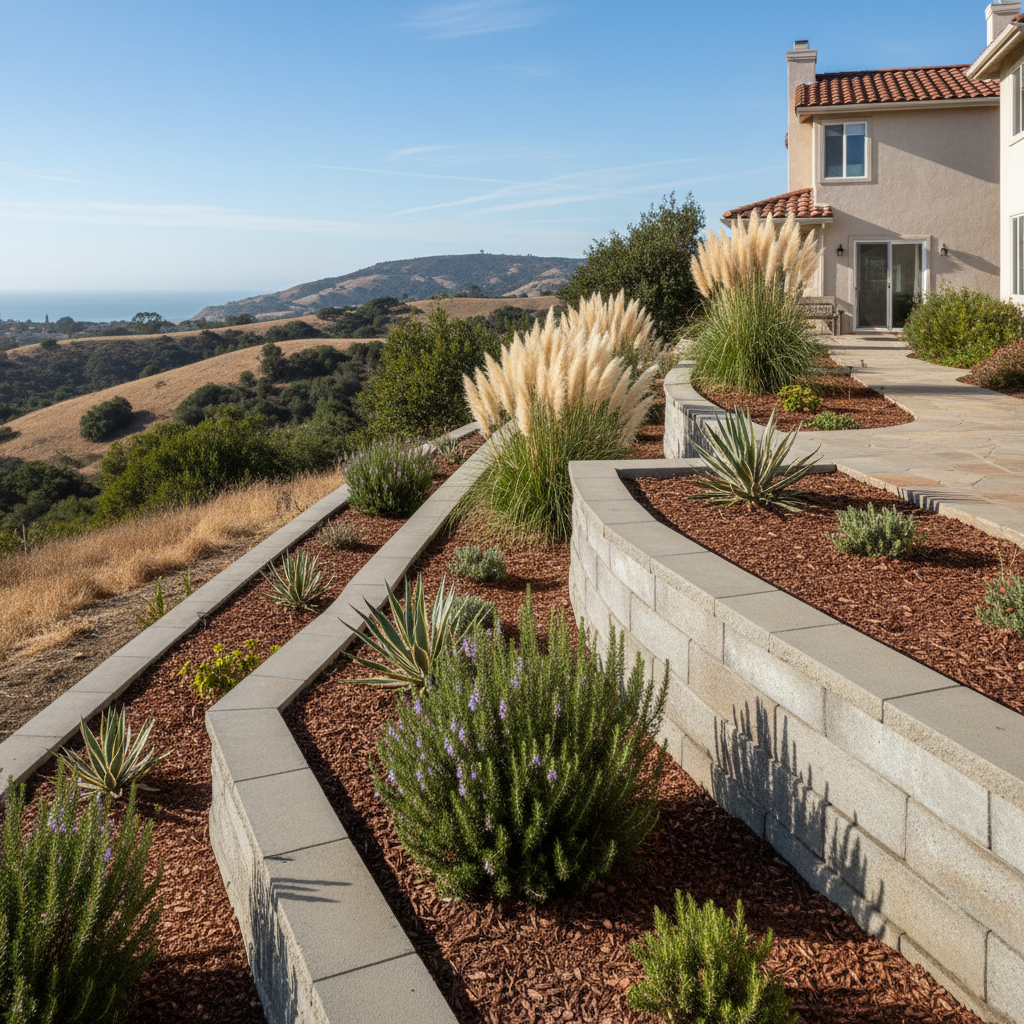
Got a slope in your yard? Maybe you're fighting erosion, or you just want to carve out some useful, flat space. Often, a retaining wall is the answer, and here in Ventura, we certainly see our share of them. But when's the best time to actually build one, or even just make sure your current wall stays in good shape? It's not as simple as picking a random weekend; our local weather really calls the shots.
When to Build: Timing is Everything
Honestly, the sweet spot for building a concrete retaining wall in Ventura is during our dry season. That usually means from late spring right through early fall. Why then, you ask? Well, a few things. First off, concrete needs steady, moderate temperatures to cure properly. Too hot, and it can dry out way too fast, leading to cracks. Too cold, and the hydration process slows down, weakening the final product. While we don't exactly freeze here, those dry, sunny days of summer and early fall are pretty much perfect.
Even more important, let's talk about the soil. Trying to dig and pour concrete when the ground is soaked from winter rains? That's a nightmare. Wet soil is just unstable, much harder to work with, and it can really mess with your wall's foundation. You want firm, relatively dry ground for proper compaction and stability. We've seen plenty of projects get held up or run into trouble because people tried to push through during a rainy spell. It's just not worth the headache, or the potential structural problems down the road, is it?
Ventura's Weather and Your Wall
Our climate is pretty great, but it does have its quirks, especially when you're dealing with concrete. We don't get hard freezes, which is a huge plus, but we do get those long, dry periods followed by intense, sometimes brief, rain. This feast-or-famine moisture cycle is what you really need to keep an eye on.
- Dry Spells: During our long, dry summers, the ground can shrink. If your retaining wall wasn't designed right with good drainage and a solid foundation, this ground movement can stress the wall, causing cracks. This is also when you might spot existing drainage problems, like dry patches where water should be flowing away.
- Rainy Season: When the rains finally hit — especially those heavy downpours we get sometimes — the soil expands. This expansion, plus hydrostatic pressure (that's water building up behind the wall), is a retaining wall's biggest enemy. If water can't get out, it'll push against the wall, and eventually, something's gotta give. That's why proper drainage, things like gravel backfill and weep holes, is absolutely essential for any retaining wall in our area. Seriously, don't skimp on the drainage.
- Coastal Air: We're lucky to live by the ocean, but that salty air can be tough on some materials. For concrete, it's generally not a huge deal unless you're using exposed rebar or certain decorative finishes. Most well-sealed concrete will hold up just fine.
Year-Round Protection for Your Investment
Once your wall is built, or if you already have one, keeping it protected all year is pretty simple, but it does need a little bit of attention.
- Check Drainage Regularly: This is probably the most important thing you can do. Before and after the rainy season, make sure your weep holes aren't clogged with dirt, leaves, or other junk. Clear them out! If you've got a French drain system behind the wall, make sure its outflow is clear too. Blocked drainage is just asking for trouble, especially in places like the hills above the Pierpont neighborhood, where slopes are everywhere.
- Look for Cracks: Small hairline cracks are often normal, especially as concrete settles and cures. But if you see cracks getting wider, stepping, or if you notice any bulging or leaning in the wall, that's a big warning sign. Don't ignore it. Get a professional opinion fast.
- Control Vegetation: Sure, plants can look nice, but roots from big shrubs or trees growing too close to your retaining wall can put immense pressure on it over time. Keep them trimmed back or think about removing anything that could compromise the wall's strength.
- Manage Surface Water: Make sure your yard's grading directs surface water *away* from the top of your retaining wall, not towards it. Gutters and downspouts should also send water well away from the wall's base.
- Seal Your Concrete: A good quality concrete sealer can protect your wall from moisture getting in, staining, and even some minor wear and tear. It's not a one-and-done deal, though; sealers need reapplying every few years, depending on the product and how much exposure it gets. It's a small investment that really pays off in how long your wall lasts.
Building or maintaining a retaining wall is a big project, and doing it right means understanding how our specific Ventura climate affects the work. Here at Precision Concrete Ventura, we've been doing this for a long time, and we've definitely seen what works and what doesn't. If you've got questions or need a hand, give us a call. We're always happy to share what we know.