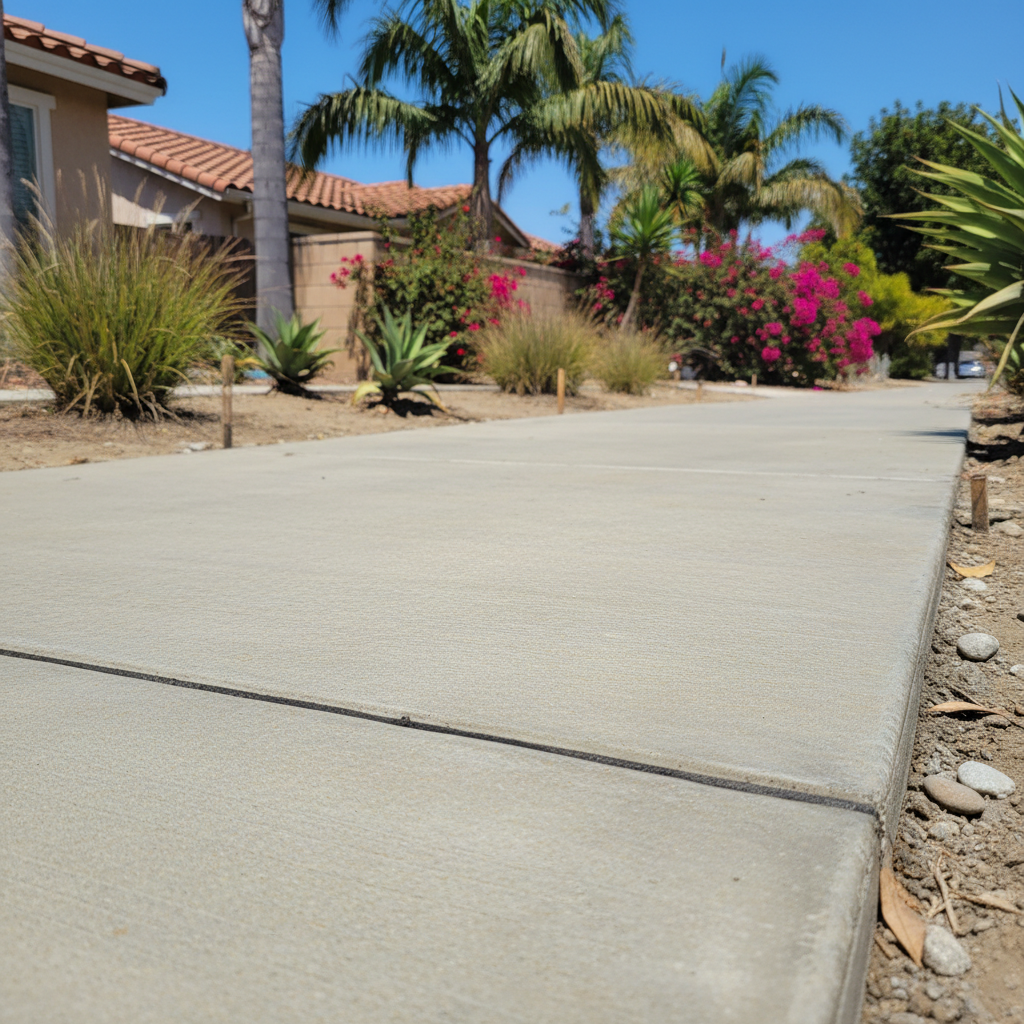
Your concrete sidewalks might seem like a simple part of your home, but they take a beating. Between the sun, the occasional rain, and just everyday foot traffic, they can develop issues. I get a lot of questions about them, so I figured I'd tackle the big ones here. Let's dig in.
How long do concrete sidewalks usually last in Ventura?
A well-installed concrete sidewalk, done right from the start, should last you a good 20 to 30 years, sometimes even more. But that's if it's done right, you know? What does "right" mean? It means proper sub-base preparation – that's the dirt underneath. If workers don't compact that correctly, or if the soil drains poorly, you're going to see problems sooner. Here in Ventura, especially in areas like the Pierpont neighborhood where you've got that sandy, sometimes shifting soil, getting the sub-base right is crucial. You also need the right concrete mix and proper curing. If anyone skips or rushes any of those steps, you'll see cracking, spalling, or uneven sections much faster. I've seen sidewalks barely 10 years old that looked like they'd been there for 50 because someone cut corners.
What causes concrete sidewalks to crack or lift?
Cracking and lifting are the two most common complaints I hear. Cracks can come from a few things. First, expansion and contraction. Concrete moves with temperature changes; it expands when it's hot and shrinks when it's cold. If you don't have proper expansion joints cut into the slab, it's going to crack randomly to relieve that stress. Second, tree roots. This is a huge one in Ventura. We've got a lot of mature trees with aggressive root systems, especially those beautiful ficus trees. Those roots grow, push up the concrete from underneath, and bam – you've got a trip hazard and a cracked slab. Third, a poor sub-base. If the ground underneath settles unevenly, the concrete loses support and cracks. Lifting, specifically, is almost always a root issue or severe sub-base settlement. Water can also get under the slab, wash away soil, and create voids, leading to settlement and cracking.
Can I just repair a cracked sidewalk, or do I need to replace it?
That depends on how bad the damage is and what kind it is. For minor, hairline cracks that aren't causing a tripping hazard, you can often repair them. We'd use a concrete crack filler, which stops water from getting in and making the problem worse. If it's a small section that's spalled (flaked off) or chipped, a patch might work. But if you've got wide cracks, significant lifting (like an inch or more), or multiple sections that are severely broken up, a repair is usually just a temporary band-aid. You're better off replacing that section. If a tree root causes the lift, you'll need to deal with the root before replacing the concrete, or the new slab will just lift again.
What's the process for installing a new concrete sidewalk?
It's not just pouring concrete and calling it a day. First, we've got to remove the old sidewalk, if there is one. Then, we prepare the sub-base. That means excavating to the right depth, getting rid of any organic material or loose soil, and compacting it really well. Sometimes we'll add a layer of gravel for drainage and extra stability, especially if the existing soil isn't ideal. Next, we set up forms to define the edges of the new sidewalk. We'll lay down rebar or wire mesh for reinforcement – that's crucial for strength and preventing cracks. Then, we pour the concrete, screed it to level, and float it to get a smooth surface. After that, we cut control joints to manage where cracks will form, and then it cures. Curing is super important; it's not just letting it dry, it's letting it gain strength. We keep it moist for several days to ensure it cures properly. Precision Concrete Ventura always takes the time to do these steps right.
Do I need a permit for sidewalk work in Ventura?
For most significant sidewalk repairs or replacements, especially if it's on public property or connects to the city sidewalk, yes, you'll likely need a permit from the City of Ventura. This ensures the work meets city standards for safety and accessibility. Even if it's entirely on your private property, if you're doing a substantial amount of work, it's always best to check with the city's building department. You don't want to do a big project only to find out later you needed a permit and have to redo something, right? A good contractor will handle the permit process for you, or at least guide you through it.
How can I maintain my concrete sidewalks to make them last longer?
Maintenance isn't super intensive, but a little goes a long way. Keep them clean – sweep off dirt, leaves, and debris regularly. If you get oil or grease stains, clean them up quickly before they soak in. You can use a mild detergent and a stiff brush, or a pressure washer for tougher grime. Be careful with pressure washers though; too much pressure can damage the surface. Seal your concrete every few years. A good quality concrete sealer will protect against water penetration, staining, and abrasion, which is especially helpful with our coastal weather. Also, keep an eye on those tree roots. If you see them starting to push up your concrete, address it early. Sometimes a root barrier can help, or you might need to trim the root if it's safe for the tree.